

Case study · Government
Reshaping the perception of TVET: a government-level engagement
In many African countries, technical and vocational education is still the route for students who did not make it elsewhere. A government asked us to turn it into a driver of competitiveness and youth employment.
The problem
A second-choice pathway
Four problems compound each other:
- outdated curricula that no longer match the labour market
- weak links between training providers and employers
- limited capacity in institutions to design and deliver competency-based programmes
- gaps in the rules for quality assurance, accreditation and recognition of prior learning
The problem is political and social as well as technical. Reforming curricula is not enough: society has to value technical skills differently.
The brief
Two objectives
The government asked MORIM to reposition TVET as a lever for economic competitiveness and youth employment, with two objectives:
- Change how families, young people and employers see TVET
- Co-design policies that prepare the system for the future, in line with international standards and national priorities
How we worked
Three phases
Phase 1Diagnosis and options
A rapid but rigorous review of governance, curriculum and teaching, industry links and apprenticeships, funding and public perception.
Findings: training supply did not match demand, quality assurance was weak, the private sector played almost no part in programmes, and technical pathways had little prestige.
- Governance: clarify roles and accountability across ministries, agencies and institutions
- Teaching: competency-based learning inspired by UK NVQs, work-based learning and real projects
- Perception: a national communication strategy presenting TVET as a route to enterprise, decent work and social mobility
Phase 2Co-designing policy
Workshops, technical working groups and validation sessions with the ministries involved (education, employment, industry), national TVET agencies, employers' associations and trade unions, public and private providers, and youth and civil society representatives.
- A National TVET Policy Framework for 2026–2035
- A roadmap for competency-based assessment and certification
- A public-private partnership model for curriculum design and work-based learning
- A communication strategy to raise the standing of technical careers
Phase 3Pilot
MORIM supported a pilot in selected institutions.
- Training for teachers and managers
- Programmes redesigned around real projects and industry partnerships
- Assessment based on demonstrated competence
- Placements, mentoring and projects sponsored by employers
Early results
What we are already seeing
Full impact will take several years. The early signs:
- higher enrolment in the pilot programmes, with a better gender balance
- employers more satisfied with the skills of pilot graduates
- strong political ownership of the national framework, with budget commitments to scale it up
- media and public debate that more often presents TVET as a route to opportunity
Lessons for other countries
Treat governance, teaching, funding and perception as one system. Secure political commitment that outlasts election cycles. Bring the private sector in as co-designers, not only as recruiters. Measure employability, enterprise and social mobility, not just inputs.
Ready to transform technical and vocational education?
Strategic reform, new curricula, industry partnerships, leadership development: tell us about your system.
Case studies
Other projects
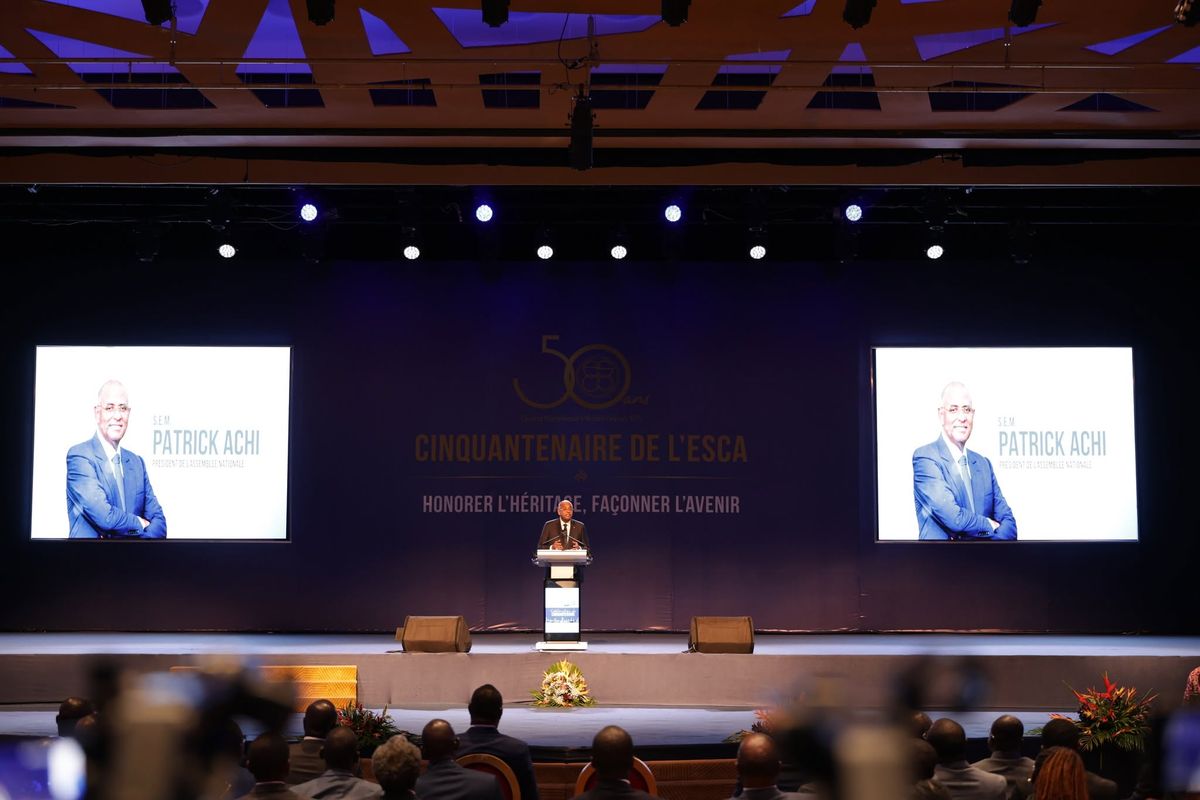
ESCA Business School
Advising the alumni on turning the École Supérieure de Commerce d'Abidjan back into a full business school. The Minister of Higher Education committed the State on 12 June 2026.

Agri Centre of Excellence
An agritech and agribusiness centre of excellence designed with Madagascar's Ministry of Technical and Vocational Training, paid for mainly by what it produces.