

Case study · Agritech · Madagascar
An agritech and agribusiness centre of excellence, designed with the government of Madagascar
A young population, a largely informal economy and farm training cut off from the market. With the Ministry of Technical and Vocational Training, MORIM designed a centre that teaches through production and pays its way through sales.
The problem
Madagascar's skills gap
Young people in Madagascar lack practical, job-ready skills, especially in agriculture. The farm training that exists does little to prepare them for work and even less for starting a business. Few young people can get to it.
How we worked
Starting from the government's priorities
Instead of arriving with a ready-made model, MORIM first consulted the Ministry of Technical and Vocational Training (METFP) on the sector's priorities and the needs of young people.
Those conversations confirmed that Malagasy families have little spending power, which ruled out any model that depends on high tuition fees.
A centre that pays its own way
- Producing and selling high-value crops and processed food in local markets
- Services for farmers: equipment hire, soil analysis, technical advice
- Incubating agripreneurs, with a small equity stake in the businesses launched
- Tuition fees, as a top-up only
The solution
Three pillars
Public-private partnership
The centre is part of the national strategy and, through the METFP partnership, helps formalise the economy and create jobs.
Learn by producing
Students earn while they learn. The programme is 75% practical and includes business management, entrepreneurship and English.
An incubator
Graduates are connected to enterprise training, lenders and established players in the sector so they can launch their own businesses.
Six programmes
Agritech and smart agriculture
Agribusiness and agricultural entrepreneurship
Food processing and agro-industry
Agricultural equipment maintenance
Sustainable natural resource management
Agricultural trade, logistics and export
Why the model holds
Aligned, integrated, repeatable
The centre follows Madagascar's National Agricultural and Rural Training Strategy (SNFAR). It brings training, enterprise and commercial production together in one place, and it is designed to be repeated in other regions of Madagascar and elsewhere in Africa.
Planning an agriculture or centre of excellence project?
Governments, universities, TVET institutions, agribusinesses and development organisations: let's work together.
Case studies
Other projects
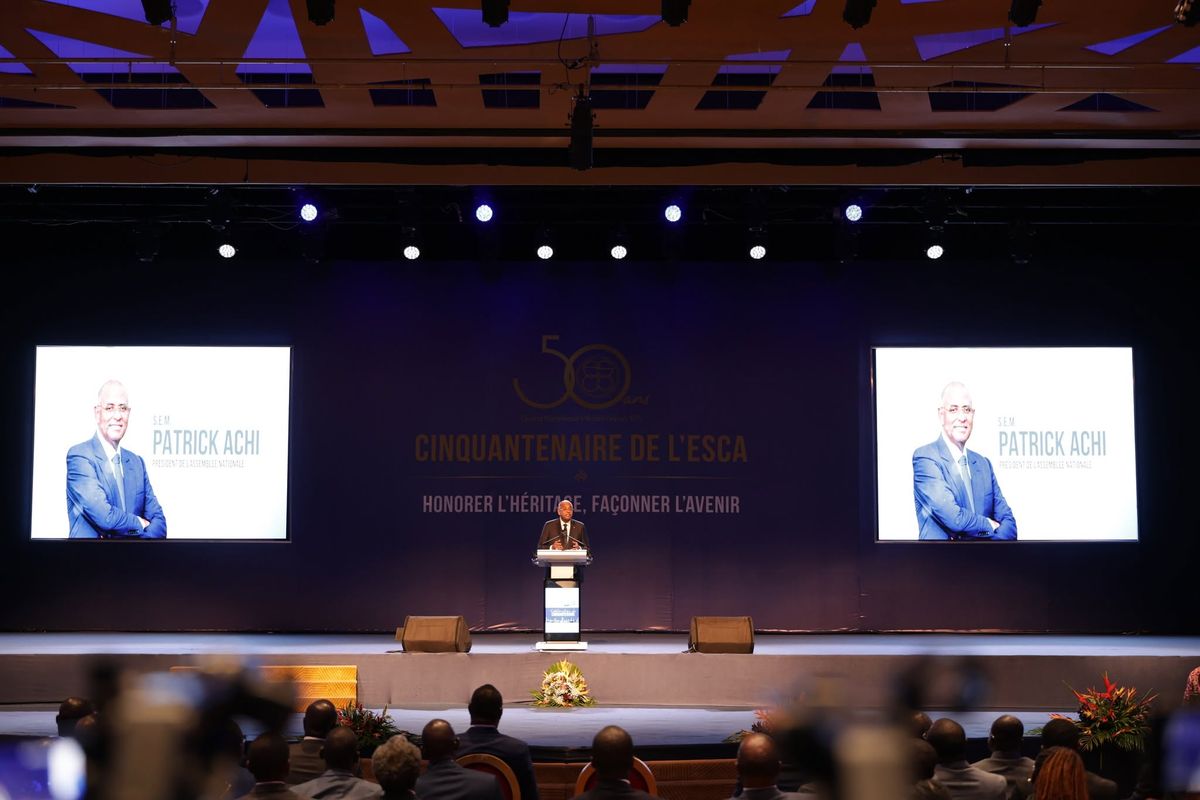
ESCA Business School
Advising the alumni on turning the École Supérieure de Commerce d'Abidjan back into a full business school. The Minister of Higher Education committed the State on 12 June 2026.

Reshaping the perception of TVET
A government-level engagement to make technical and vocational education a route that young people choose, rather than one they end up in.