
Case study · Cocoa · Madagascar and Cameroon
GYLSCO: giving young people a reason to stay in cocoa
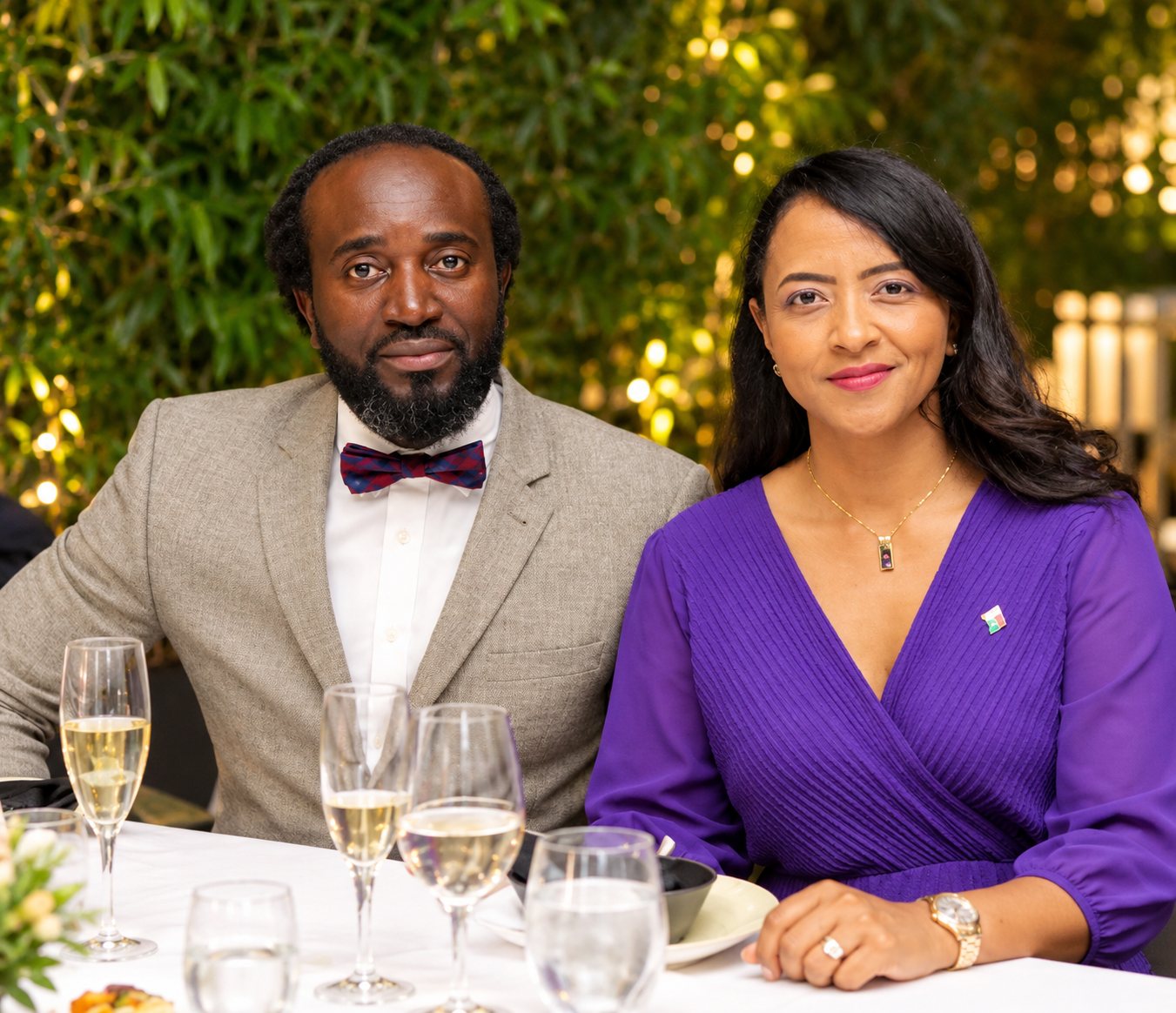
In June 2025, Madagascar's Council of Ministers adopted GYLSCO on the proposal of the Ministry of Foreign Affairs. The programme trains young leaders to create value in the cocoa sector instead of leaving it.
The starting point
A sector losing its next generation
Cocoa's problems are well known: climate change, child labour, farmers who earn too little. Another risk gets less attention. Farmers are getting older, and their children don't want to take over the plantations. They see their parents' poverty, not a career.
A sector that young people abandon will decline whatever happens to world prices. So GYLSCO started from a plain question: what has to change for a young person to choose a career in cocoa?
How we worked
From a strategic sector to a training programme
Step 1Read the sector
We started from the cocoa value chain, not from a course catalogue. Where is value created? Why are young people walking away? What new activities could they start? Three openings came out of that work: local processing into higher-value products, cocoa tourism, and digital tools for farming.
Step 2Build a framework
Six pillars, aligned with the UN Sustainable Development Goals, give the programme its structure:
- Gender equality and the place of women in the sector
- Keeping young people in rural areas and helping them grow
- Leadership and more varied sources of income
- Sustainability and environmental protection
- Digital skills, including supply-chain traceability
- Fair trade and innovation
Step 3Write the curriculum
The framework became a six-module programme:
- Leadership and personal development
- Sustainability and the cocoa value chain
- Digital innovation and transformation
- Social innovation and entrepreneurship
- Global exposure and cultural exchange
- Project management and resource mobilisation
Participants learn through real cases, group work, an overseas immersion and regular mentoring.
Step 4Root it in government
Each country hosts a cohort of 25 young leaders. In Madagascar, national coordination sits inside the Ministry of Foreign Affairs, in its Directorate of Economic Expansion. The programme belongs to the country that hosts it.
The result
Adopted by the Council of Ministers
In June 2025, Madagascar's Council of Ministers adopted GYLSCO on the proposal of the Ministry of Foreign Affairs.
In Cameroon, the Minister of Trade, Luc Magloire Mbarga Atangana, publicly praised the work of Affi Agbodo and his team and restated his government's support for the programme. The ministries of Trade, of SMEs, and of Agriculture and Rural Development (MINADER) are among its partners.
Our method
Start from the sector, not the catalogue
Cocoa, cashew, coffee, fisheries, tourism: every country has sectors its economy depends on. Too often, schools and universities train people without looking at them.
MORIM works the other way round. We start from the sector, its value chain and the skills it lacks, then write the programme and place it inside the country's own institutions. GYLSCO was the first time we applied this method. The agricultural centre of excellence designed with Madagascar's Ministry of Technical Education and Vocational Training is another.
A strategic sector in your country?
Let's talk about the skills that sector will need in ten years, and how to start training for them now.
Case studies
Our other projects
ESCA Business School
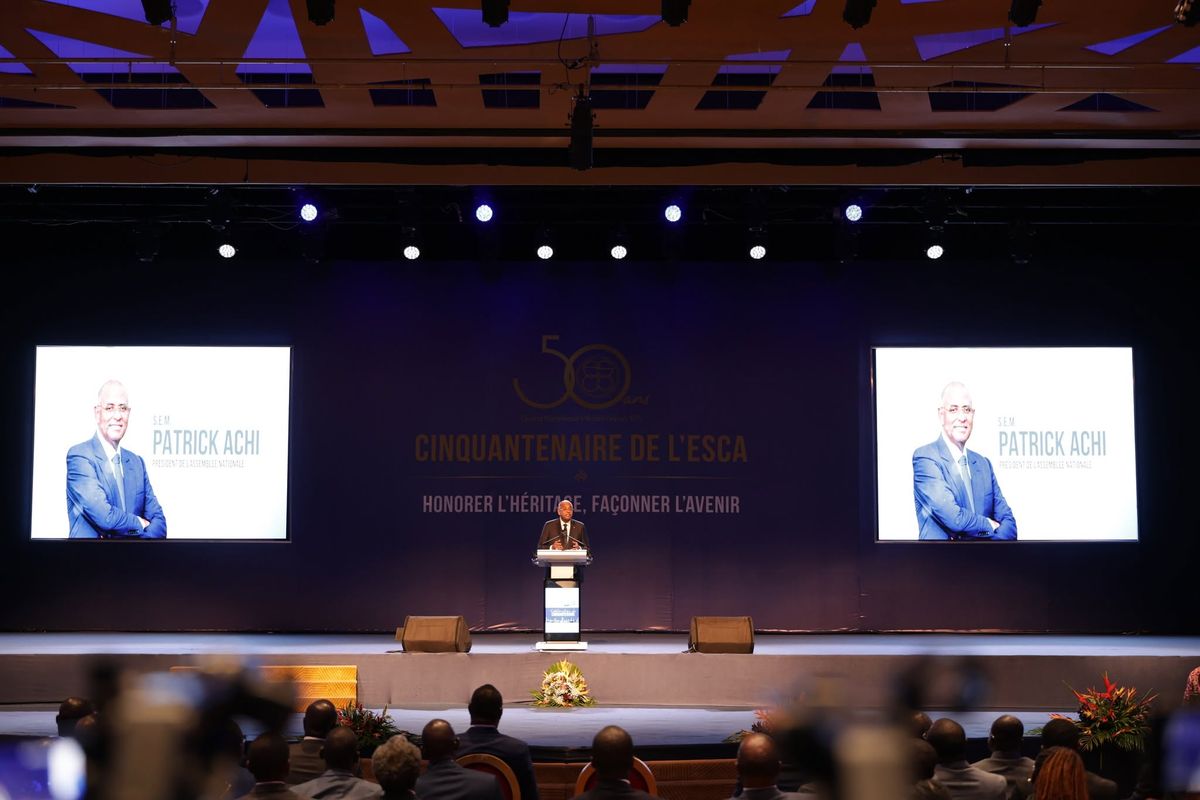
Advising the alumni on turning the École Supérieure de Commerce d'Abidjan back into a full business school.
Agricultural centre of excellence
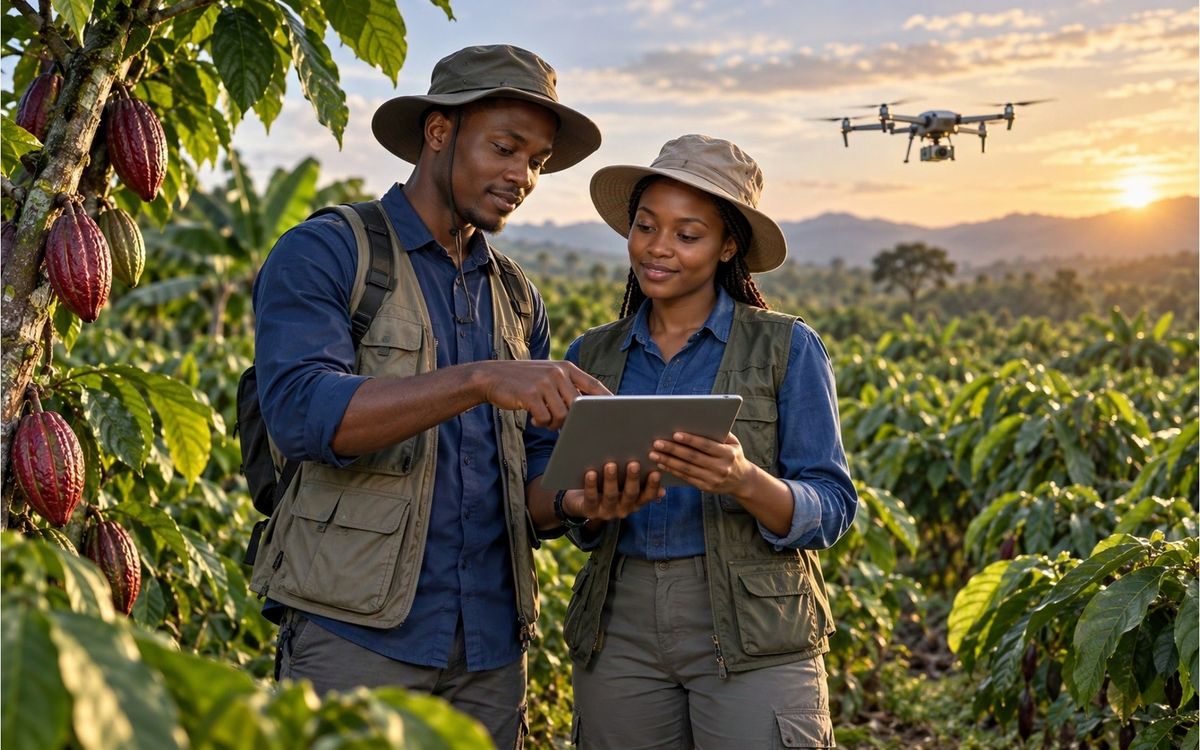
An agritech and agribusiness centre of excellence designed with Madagascar's Ministry of Technical Education and Vocational Training, funded first by what it produces.